

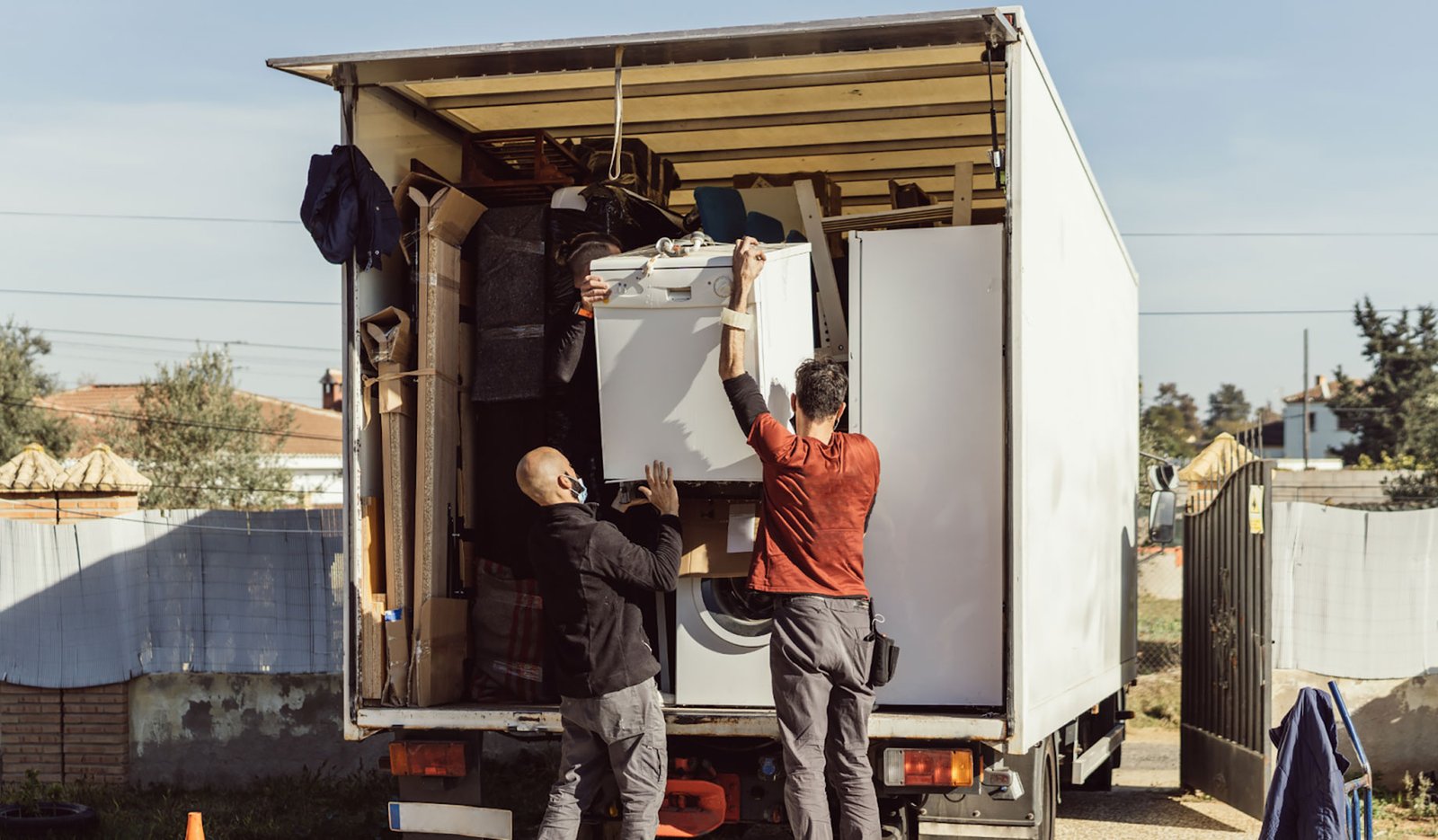
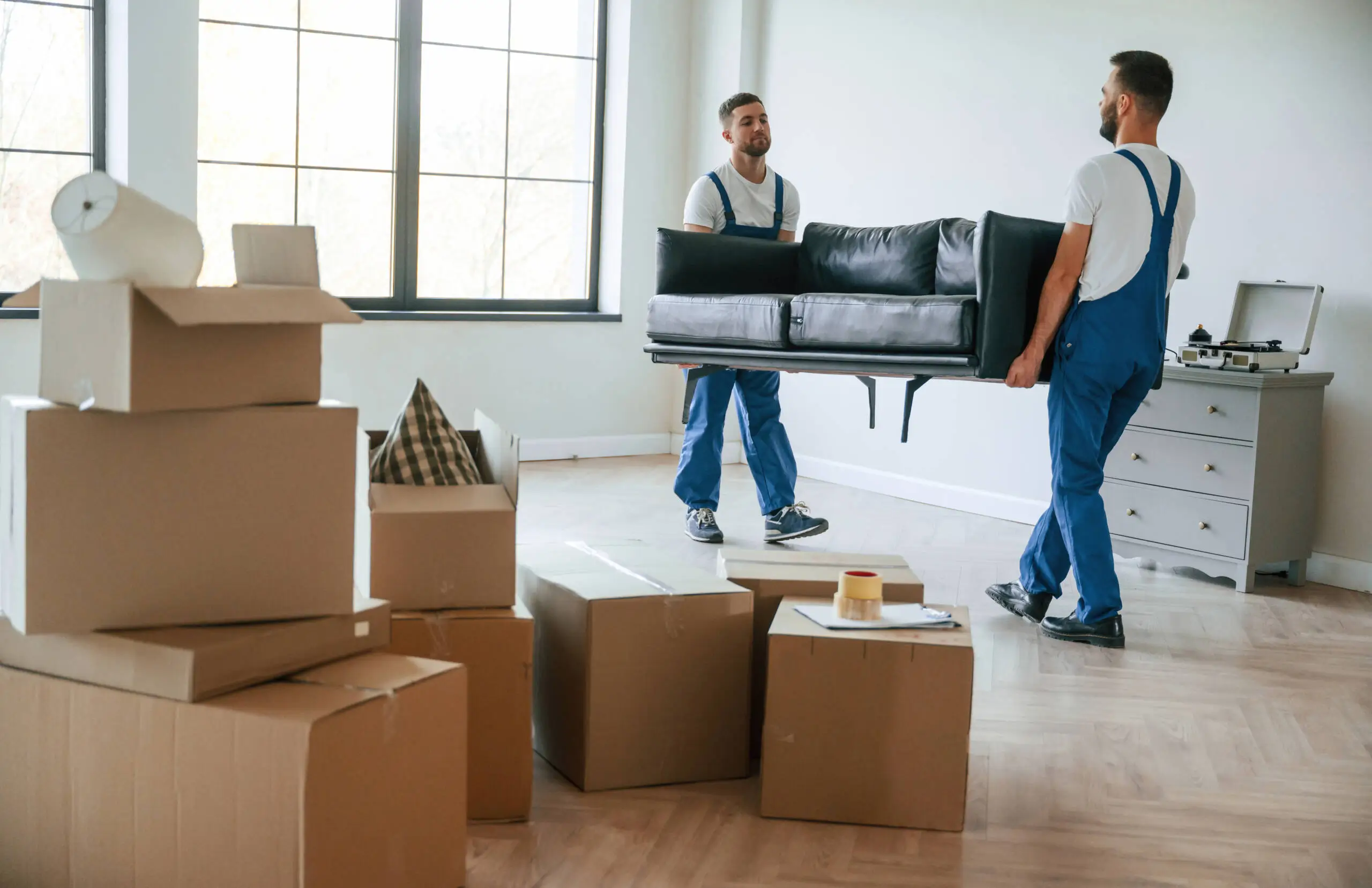
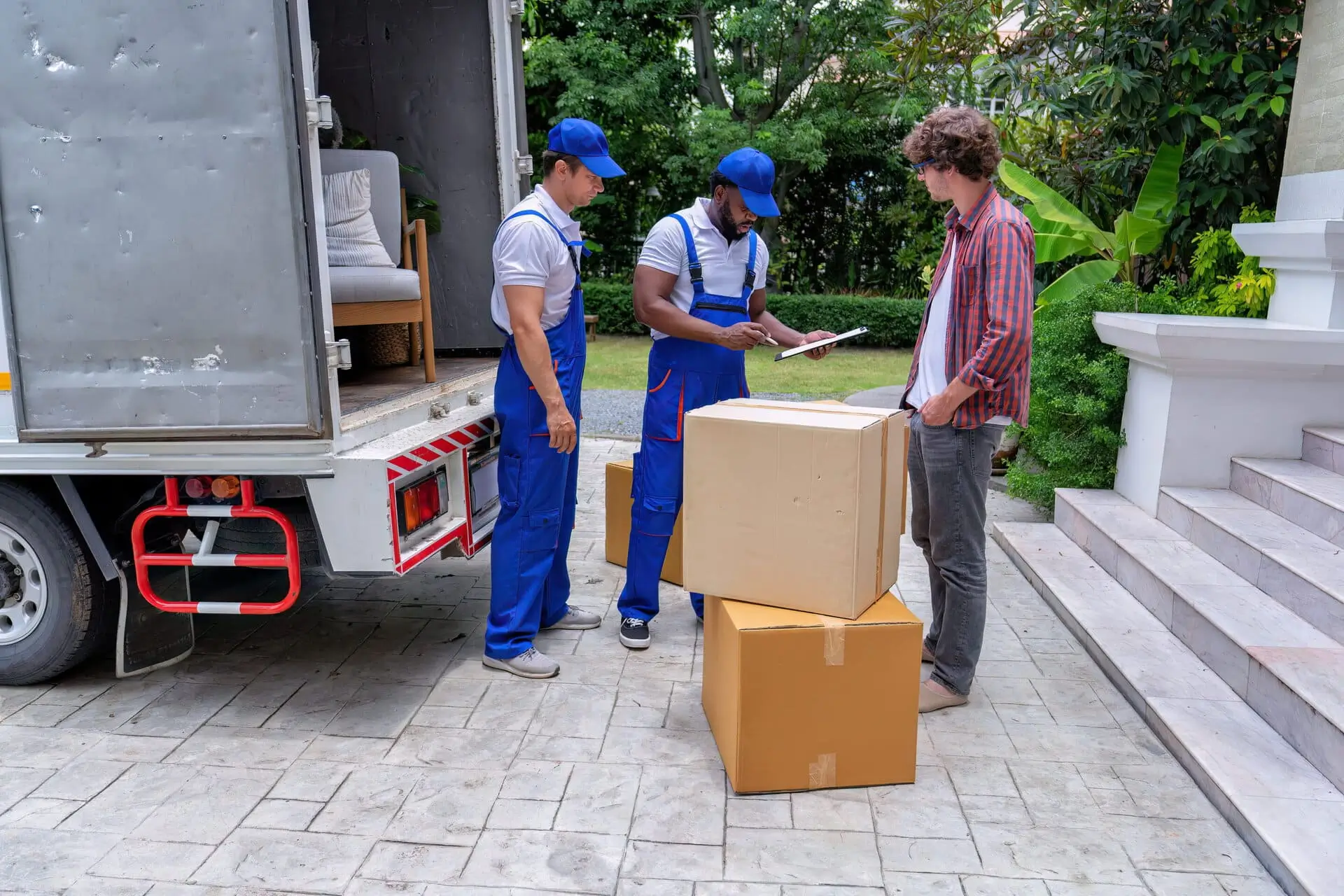
Moving to another city or state can be exciting, but long-distance moving requires careful planning. Unlike a short local move, relocating over a greater distance involves more organization, preparation, packing, scheduling, and coordination. Whether you are moving from Virginia to North Carolina or relocating somewhere farther away, having a clear plan can make the process much easier.
I-85 Movers helps customers with long-distance moving, residential moving, packing, loading, unloading, and furniture moving. With the right preparation, you can reduce stress and make moving day more manageable.
Start Planning Your Move Early
One of the biggest mistakes people make is waiting until the last minute to organize a long-distance move. Ideally, begin planning several weeks before your moving date. Starting early gives you enough time to sort your belongings, arrange moving services, purchase packing supplies, and handle important details.
Create a moving calendar that includes important deadlines. Write down when you need to start packing, when utilities should be transferred, when your current home needs to be cleaned, and when your movers are scheduled to arrive.
Breaking the move into smaller tasks can make everything feel more manageable.
Create a Moving Budget
Long-distance moving costs can vary depending on the distance, amount of belongings, number of movers required, and services you need. Creating a realistic moving budget helps you understand your expected expenses before moving day.
Consider expenses such as:
Moving services
Packing materials
Specialty furniture handling
Travel expenses
Temporary storage
Cleaning costs
Utility deposits
Unexpected moving expenses
If you are hiring professional movers, ask about the services included in your moving plan. Understanding what your moving service covers can help prevent surprises later.
Declutter Before Packing
Moving is an excellent opportunity to get rid of items you no longer use. Instead of packing everything you own, go through each room and decide what should come with you.
Create separate groups for items you want to keep, donate, sell, recycle, or throw away.
Reducing the number of belongings you move can make packing easier and help you stay organized. It can also reduce the amount of space your belongings require during transportation.
Pay particular attention to garages, closets, storage rooms, attics, and basements. These areas often contain items that have not been used for years.
Organize Your Packing
Packing is one of the most time-consuming parts of a long-distance move. Start with items you do not use every day, such as seasonal decorations, books, extra dishes, and rarely used appliances.
Clearly label every box with its contents and the room where it belongs. For example, instead of writing simply “Kitchen,” label a box “Kitchen – Pots and Pans.”
This simple system makes unloading and unpacking much easier.
If you do not have the time or experience to pack everything yourself, professional packing services can help. Experienced movers can organize and prepare household belongings for transportation while helping you save valuable time.
Protect Furniture and Fragile Items
Furniture and fragile household items require additional attention during a long-distance move. Tables, chairs, beds, cabinets, mirrors, televisions, and other large belongings can be vulnerable to scratches or damage if they are not properly prepared.
Use appropriate protective materials and secure loose components before transportation. Where possible, disassemble larger furniture pieces so they can be moved and handled more efficiently.
Professional furniture moving services can be especially useful for large, heavy, or difficult-to-handle items.
Prepare a Moving-Day Essentials Bag
Do not pack everything away. Keep a separate bag or box containing the things you will need immediately after arriving at your new home.
Your essentials might include:
Important documents
Medication
Phone chargers
Toiletries
Basic clothing
Snacks and water
Cleaning supplies
Basic kitchen items
Pet supplies
Important keys
Having these items readily available means you will not have to search through dozens of boxes after a long day of traveling and moving.
Confirm Your Moving Details
A few days before your scheduled move, confirm the important details with your moving company. Verify the date, arrival time, pickup location, destination, and services requested.
If there are parking restrictions, narrow driveways, stairs, elevators, or other access issues, make sure the movers know ahead of time.
Clear communication can help your moving crew prepare properly for the job.
Prepare Your New Home
If possible, visit or arrange access to your new home before your belongings arrive. Make sure essential utilities are working and that there is enough space for movers to safely bring furniture inside.
You may also want to clean the home before unloading boxes. It is usually much easier to clean empty rooms than rooms filled with furniture and moving boxes.
Work With Experienced Long-Distance Movers
A long-distance move involves many moving parts, and professional help can make the process considerably easier. I-85 Movers provides long-distance moving solutions along with residential moving, packing, furniture moving, and loading and unloading services.
Whether you are relocating your entire household or need assistance with specific parts of the move, having dependable help can reduce the physical workload and make moving day more organized.
Final Long-Distance Moving Checklist
Before leaving your old home, walk through every room, closet, cabinet, garage, and storage area. Check that nothing has been left behind.
Confirm that:
Your boxes are labeled
Furniture is properly prepared
Important documents are with you
Utilities have been arranged
Your moving company has your correct information
Your essentials are easily accessible
Your new home is ready
A successful long-distance move starts with preparation. By planning early, decluttering, packing carefully, and working with experienced movers, you can make your relocation smoother from beginning to end.